Check out our expert take on key activity shaping health care policy
Insights

Featured Blogs

Now that most of the government funding fight is over, all eyes are focused on whether Congress can figure out a path forward for funding for the Department of Homeland Security (DHS) past February 13. Will love be in the air as Valentine’s Day approaches, or will things remain at an ICE-y impasse over recent border control actions? Let’s find out. Welcome to the Week Ahead!
The Administration
The Office of Personnel Management finalized a rule on February 6 that authorizes agencies to reclassify policy-influencing employees into a new Schedule Policy/Career category. The reclassification reduces some of the job protections that career employees usually have, like the right to appeal removals, suspensions, or demotions, thereby making it easier for agencies to fire civil servants. For the Department of Health and Human Services (HHS), a whole slew of employees could fall into the “policy-influencing” category, including anyone who
- helps write, shape, or clear policy or regulations
- advises leadership on policy choices
- translates statue into operational policy
Recently reported layoffs at the Advanced Research Projects Agency for Health (ARPA-H) indicate that the Trump administration is letting go non-political staff to ensure agencies are matching its priorities.
TrumpRx has launched, featuring drugs from 5 manufacturers that have agreed to most-favored-nation pricing deals. According to the White House, additional drugs will be available for purchase on the website in the coming months. However, not everyone is as optimistic as the president about the extent to which this will actually save patients money. Democratic Senators have dismissed the site, with Senate Finance Committee Ranking Member Wyden (D-OR) calling it “a glorified coupon book.” But it’s not just Democratic/progressive voices that are raising concerns. The Libertarian-leaning CATO Institute has commented that the federal government’s involvement will crowd out private innovation and incentivize cronyism. These are familiar arguments on the right, but we don’t expect many congressional Republicans to rain on the president’s parade.
The Senate
The on-again, off-again deal on extending the Advance Premium Tax Credits (APTCs) seems to be headed for a permanent breakup. Unsurprisingly, the cause of the breakup seems to be applying Hyde Amendment language to ensure subsidy funding does not go to abortion providers from the bill. Sen. Tim Kaine (D-VA) has indicated that it’s his understanding that Republicans are not willing to drop this from the bill and that Democrats need it to be dropped.
In non-APTC news, the Senate Aging Committee is scheduled to have a hearing on February 11 to examine regulatory challenges to physician practices. There are many ways this hearing could go, but policy proposals that may be brought up include ensuring appropriate Medicare physician reimbursement, reducing administrative burden on physicians, and addressing workforce shortages and burnout.
The House
While the House is busy working on a deal for DHS funding, should the health care sector care? DHS funds the Federal Emergency Management Agency, but all essential services under DHS continue like public emergencies and cybersecurity. A prolonged funding lapse could certainly affect visa processing and delay the medical supply chain. But we would argue the real reason DHS may get funded quickly is the Transportation Security Administration and all those flights lawmakers have lined up for the weekend.
House Energy and Commerce leaders are keeping true to their promise to highlight healthcare affordability by holding a Health Subcommittee hearing to examine the prescription drug supply chain on February 11. Major pharmaceutical interest groups, like PhARMA and PCMA, have been asked to testify before the committee. If the hearing goes anything like the health insurance hearings, expect a lot of finger pointing to other areas of the health sector for being the reason for increasing costs.
There You Have It
Last night’s Super Bowl was an event to watch. While it’s hard to pick just one commercial, Novartis’ commercial about blood test screenings for prostate cancer sure grabbed our attention. Talk about a tush push! Did you have a favorite commercial? Let us know. Make it a great week!
On February 3, 2026, the House Energy and Commerce Oversight Subcommittee held a hearing to examine fraud in the Medicare and Medicaid systems. There was strong bipartisan agreement that fraudulent actions need to be addressed, however, Republicans and Democrats shared different views on best practices for preventing and investigating potentially fraudulent activity.
OPENING STATEMENTS
WITNESS TESTIMONY
-
Jessica Gay, CPC, AHFI, CFE, Vice President and Co-Founder, Integrity Advantage – Testimony
-
Kaye Lynn Wootton, JD, President, National Association of State Medicaid Fraud Control Units – Testimony
-
Stephan W. Nuckolls, Chief Executive Officer, Coastal Carolina Health Care, PA and Treasurer and former Board Chair, National Association of Accountable Care Organizations (NAACOs) – Testimony
-
Jessica Tillipman, JD, Government Contracts Advisory Council Distinguished Professorial Lecturer in Government Contracts Law, Practice and Policy, George Washington University Law School – Testimony
MEMBER DISCUSSION
How Fraud Occurs
Rep. Russ Fulcher (R-ID-1) questioned if some states are targeted due to lower barriers of entry for fraudulent programs. Ms. Gay shared that in her experience, there are common states where fraud begins but will often spread to other states. Ms. Wootton shared that fraud schemes are evolving by crossing state lines, which used to be more uncommon, and the increased use of electronic health records make it easier to forge documentation.
Rep. Dianna DeGette (D-CO-1) asked for clarity on whether fraud is more commonly carried out by providers or beneficiaries. Ms. Wootton responded that far more providers commit fraud.
Rep. Paul Tonko (D-NY-20) asked if there is a difference between improper payments and fraud. Ms. Tillipman shared that often, improper payments are not fraud and that 77% are administrative errors. Rep. Tonko questioned if there were harms in labeling all improper payments as fraud to which Ms. Tillipman responded that it can make fraud investigations more difficult as well as diminish taxpayer faith in government.
Rep. Dan Crenshaw (R-TX-12) was curious if there were specific reasons why Medicare and Medicaid programs seem to be much more vulnerable to fraud than private programs. Ms. Gay shared that the national scope of Medicare and Medicaid make it much more appealing to target and the lack of an Explanation of Benefits provided to beneficiaries makes it easier to create fraudulent bills.
Rep. Diana Harshbarger (R-TN-1) questioned if expanded telehealth services could aid in fraud. Ms. Gay responded that reduced barriers to care and the ability for providers to cross state lines make it easier for fraudulent activity.
Fraud Investigations
Rep. Fulcher asked Ms. Wootton if fraud investigations were different for foreign actors than citizens, which Ms. Wootton denied.
Rep. Gary Palmer (R-AL-6) questioned if state auditors should have greater access to data to best investigate fraud allegations. Ms. Wootton shared that investigators need to see as much data as possible to produce a complete investigation, however, she is often limited to Medicare and Medicaid data and would like to find a way to also be able to access 3rd party and private payer data.
Rep. Troy Balderson (R-OH-12) wondered how long the average investigation lasts, which Ms. Gay shared was about a year, due to needing time to collect data to build the case as well as give an appeal time frame. The investigation is then shared with law enforcement. Rep. Balderson asked Ms. Wootton if investigators can recover fraudulent payments. Ms. Wootton responded that the payments are often either already spent or hard to track, which makes them difficult to recover. Rep. Balderson was interested in the impact of AI on fraud schemes and investigations, so Ms. Wootton shared that fraud control units are receiving training on how to identify AI modified data.
Rep. Kevin Mullin (D-CA-15) shared concerns about collaborating across government sectors and asked if investigations had better outcomes when local, state, and federal agencies were all involved. Ms. Wootton shared that, in her experience, states do not have the ability to cross borders which makes federal collaboration vital. Rep. Mullin asked if completely freezing government funding to suspected fraudulent programs is helpful to the investigation. Ms. Tellipman answered that blanket freezing does not improve the investigation and will harm individuals receiving proper services.
Impact of Fraud
Rep. Rick Allen (R-GA-12) requested that Mr. Nuckoll expand on the impact of fraud on the ability for Accountable Care Organizations (ACOs) to provide care to seniors. Mr. Nuckolls explained that ACOs share costs with the federal government and when spending for the plan is greater than the budget, the ACO must repay Medicare the difference. With increased fraud claims, ACOs often need to repay Medicare more which will force ACOs to leave the care space if they cannot afford the increased costs. Rep. Allen followed up by asking what the impact will be for beneficiaries, which Ms. Wootton responded that many will not be able to receive services without jumping through hoops.
Rep. Crenshaw asked Ms. Gay to elaborate on the impact to beneficiaries when fraud is not controlled. Ms. Gay shared that in her experience, it increases the chance that beneficiaries do not receive the care that they need, either through complete denial or subpar treatment. Another experience that Ms. Gay has seen is documentation of conditions in a beneficiaries’ chart without a proper diagnosis, which can impact access to care further down the road.
Ranking Member Pallone questioned if there was risk to programs and program participants when fraud is overstated or action taken preemptively. Ms. Tillipman explained that if fraud is overstated, it can make it more difficult to direct limited resources to the proper investigations which can make it more difficult to address true fraudulent activity.
Rep. Buddy Carter (R-GA-1) asked if artificially reducing payment rates for common fraudulent services, such as skin substitutes, would impact access to care for patients. Mr. Nuckolls responded that yes, patients will not receive skin substitutes as providers will not be able to afford the cost without proper reimbursement.
Preventing Fraud
Rep. Kim Schrier (D-WA-8) asked if proper enforcement is a strong deterrent for potential fraud schemes, with which Ms. Tillipman agreed.
Reps. Schrier and Lizzie Fletcher (D-TX-7) wanted recommendations for fraud prevention. Ms. Tillipman suggested the Committee look to the currently unimplemented recommendations from the Government Accountability Office and the Inspector General.
Rep. DeGette shared her concerns that the Department of Health and Human Services (HHS) has reduced their number of Inspector Generals by 18, or 10%. Rep. DeGette asked Ms. Wootton if this would have an impact on fraud prevention and investigation. Ms. Wootton responded that HHS is most effective when completely staffed.

We caught up with our new Analyst, Abby Rose, to learn more about her and how she became interested in health policy.
What sparked your interest in health care policy, and when did you first realize you wanted to work in this space?
I am specifically interested in health care policy for its real-world impact and ever-changing ecosystem. I love learning and helping people, and health care policy is a perfect overlap of the two as the new policies being created have a direct impact on the wellbeing of real people.
What did you study in college, and was there a class or project that really shaped how you think about health policy today?
I studied Political Science and Law & Public Policy, where I developed a strong understanding of the policymaking process. My interest in health policy peaked during my internships in the House of Representatives, through Indiana University’s DC Internship Program, where I had the opportunity to conduct policy research and attend hearings on various topics and saw how far health policy reaches.
Which health policy issue are you most curious about right now?
A health policy issue I am most curious about right now is the disparities in access to care across various demographics. I think better understanding who does and doesn’t have access to specific treatments is vital to recognizing the changes that need to be made.
What drew you to Chamber Hill Strategies, and what are you most excited to work on in your new role?
I was drawn to the firm’s reputation for thoughtful and effective bipartisan work. The firm being female-run was also very attractive to me because I think it’s very important to see strong women leaders in this field. I am most excited to support clients and go to meetings on the Hill to advocate for their issues.
What skills or experiences are you hoping to build during your first year here?
In my first year, I hope to gain a deeper understanding of health policy through hands-on experience supporting clients. I am very excited to deep dive into health policy and ensure clients’ issues are heard within the policymaking process.
How do you like to learn – diving into research, asking lots of questions, learning by doing, or a mix of everything?
I am definitely a visual learner so I learn best by doing and asking questions as I go.
What’s something people might be surprised to learn about you?
People might be surprised to learn that I can recite all of Hamilton from memory!
What does a perfect day outside of work look like for you?
A perfect day outside of work starts with a slow morning, then a long walk with an iced coffee with friends, a fun dinner, and finished off with a cozy movie night with my roommates.
What’s a favorite book that you’d recommend?
My favorite book is To Kill A Mockingbird, I read it for the first time in 7th grade and it has been at the top of my list since.
If you could give one piece of advice to a young professional interested in health policy, what would it be?
Stay curious and always ask questions. Health policy is constantly evolving and there is a lot of information to take in, so be open to learning from different perspectives.
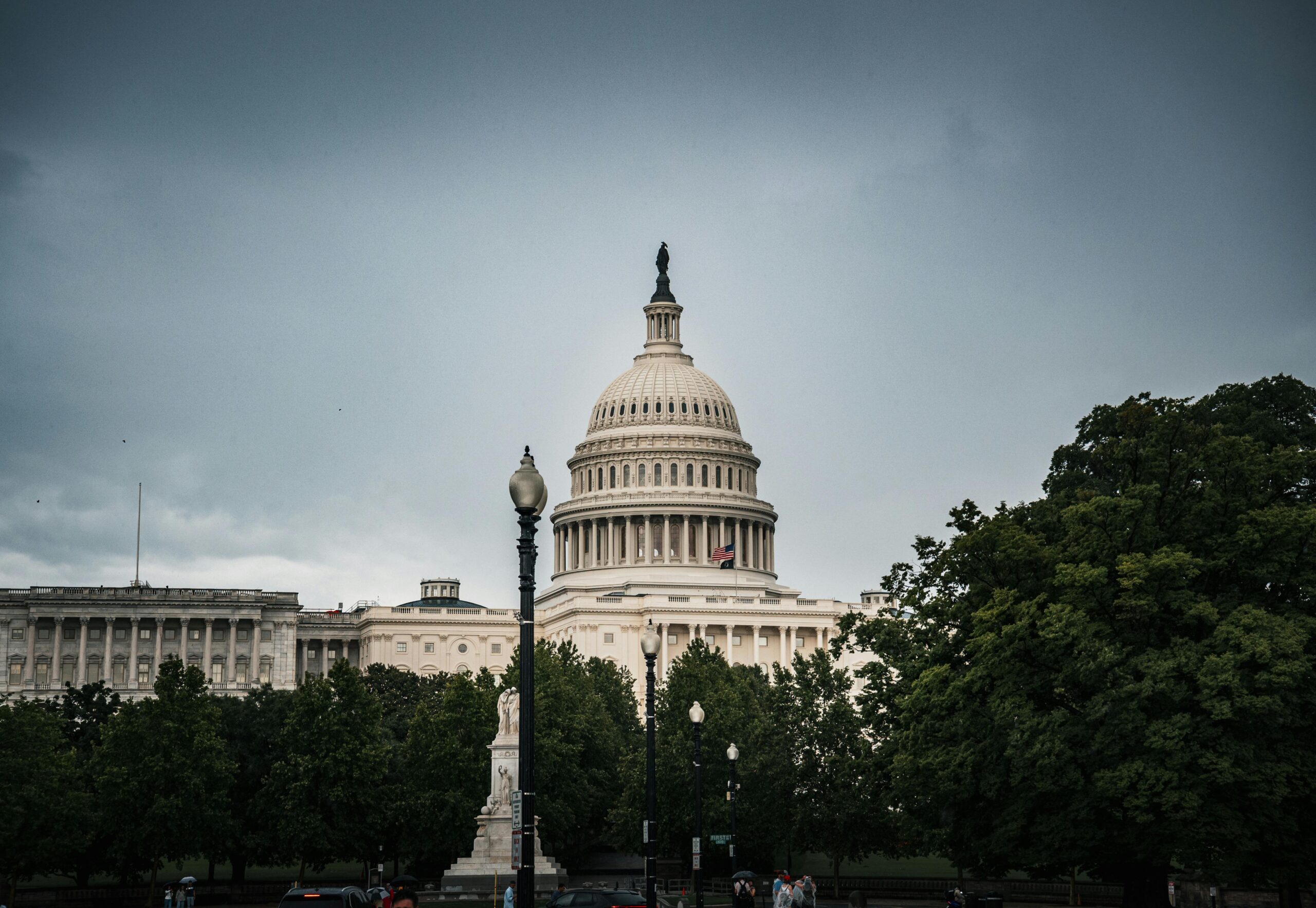
While DC is still digging the city out of one of the worst winter storms of the last decade, Congress is in a storm of its own. The government entered a partial shutdown on January 31 after the Senate passed an amended minibus. As we await House action, let’s get into it. Welcome to the Week Ahead!
The Administration
The anticipated launch of TrumpRx has gotten off to a rocky start. The platform, which will allow individuals to purchase prescription drugs at discounted rates, was supposed to launch on January 30, but is experiencing delays. While the administration has not given a reason, there has been speculation that deals with pharmaceutical companies are violating anti-kickback statute laws.
Department of Health and Human Services (HHS) Secretary Kennedy reportedly said that TrumpRx will launch “probably in the next 10 days,” indicating optimism that the holdup will be addressed quickly.
Meanwhile, changes to the Medicare Advantage (MA) program in the proposed Calendar Year 2027 MA and Part D Advance Notice are causing alarm among stakeholders. Both AHIP and the Better Medicare Alliance hinted at possible benefits cuts should the rates be finalized as proposed. The Association of Community Health Plans expressed concerns about the impact to safety net plans. Even the American Hospital Association piled on, worrying that changes to the Star Ratings program could affect access to care. With comments due February 25, proponents are scrambling to change the minds of CMS officials.
The Senate
As if the Senate heard us wondering, discussions on a potential enhanced advance premium tax credit (APTC) deal have renewed. Sen. Bernie Moreno (R-OH) reportedly shared legislative text on a compromise extension bill with 4 Democratic colleagues and is awaiting responses. But time has run out for the request by Senate Majority Leader Thune (R-SD) to have a bipartisan deal by the end of January.
Health Care Hearings This Week
- February 3: Senate Health, Education, Labor, and Pensions (HELP) hearing on modernizing the National Institutes of Health
- February 4: Senate Veterans’ Affairs Committee hearing on Veteran health and healing through adaptive sports
The House
Speaker Mike Johnson (R-LA-04) may have thought he had finished FY26 funding, but it is back on his to-do list. With health care programs and health policy extenders taken care of in the Senate minibus, Johnson has to steer his caucus through a new vote strategy.
House Freedom Caucus members have previously stated that they will oppose a funding bill that does not include funding for the Department of Homeland Security. However, that was before President Trump endorsed the idea, and the Senate fell in line. The House Rules Committee meets February 2 to set up floor debate and passage.
The House Energy and Commerce Oversight Subcommittee will hold a hearing on February 3 to examine Medicare and Medicaid fraud. The Subcommittee has recently been investigating allegations of Medicare home health and hospice payment fraud in Los Angeles County as well as Medicaid fraud in Minnesota, so this hearing will be a prime opportunity for the Subcommittee majority to highlight those actions. While the hearing is timely, remember that the Oversight Subcommittee is not responsible for writing policy related to Medicare and Medicaid fraud. That’s up to the Health Subcommittee to determine any legislative activity in relation to the investigations.
There You Have It
We were on the edge of our seats watching the Grammys last night. Did your favorites win? Anyone you think got snubbed a la Bill Belichick? Let us know. Make it a great week!