

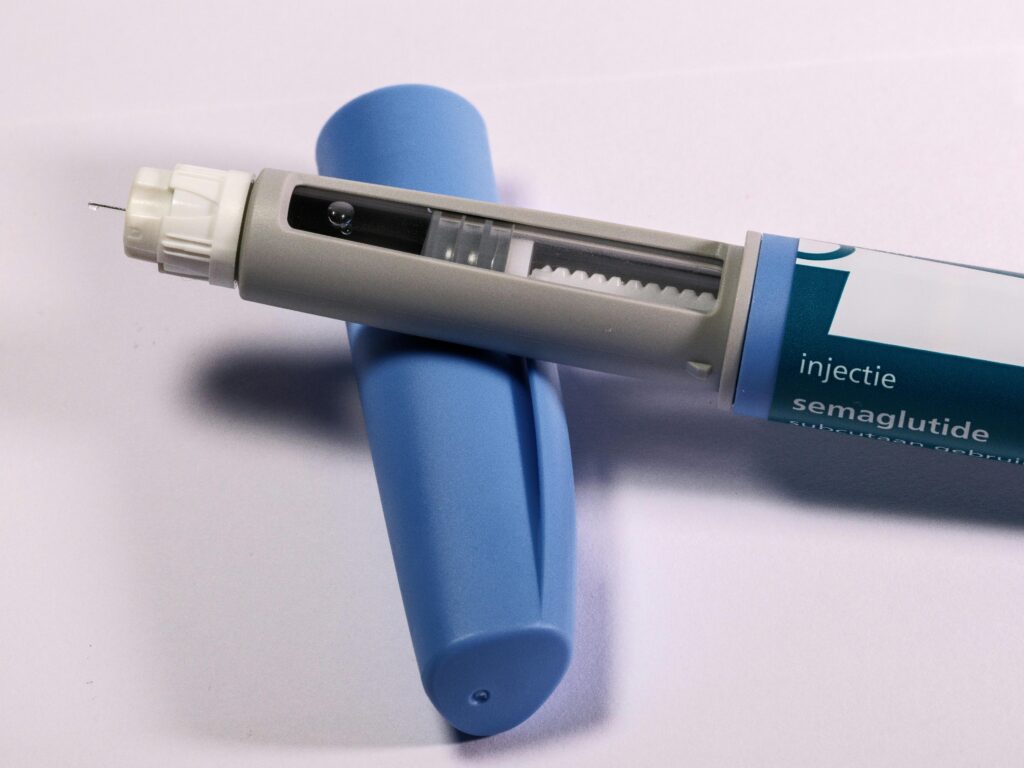
GLP-1 regulation policy continues to be a hot topic in Washington. In May 2025, we wrote about the benefits and costs of expanding patient access to GLP-1 medications. Now a year later, the Trump administration continues its balancing act between increasing individual access to GLP-1 medications while simultaneously providing strong oversight for the popular medications. This blog will explore ways that the administration is managing these priorities.
Expanding Patient Access
President Trump has sought to expand patient access through GLP-1 regulation policy in a couple of key ways. First, his administration entered into Most-Favored-Nation pricing agreements for Ozempic, Wegovy, and Zepbound, the most common brands for US patients to address concerns about the costs of these drugs. These deals can be found on the TrumpRx website, along with over 50 other medications, and are accessed through printable drug manufacturer coupons that can be redeemed at pharmacies at the time of purchase or directly from the drug manufacturer’s website.
The Trump administration has also acted through the Centers for Medicare and Medicaid Services (CMS) to increase access for Medicare and Medicaid beneficiaries through the Better Approaches to Lifestyle and Nutrition for Comprehensive hEalth (BALANCE) Model. State Medicaid agencies have the option to opt-into the program, which allows CMS to negotiate pricing and coverage terms of GLP-1 medications, as early as May 2026. Medicare beneficiaries will have access through Part D benefits beginning in January 2027.
Medicare is also offering a GLP-1 payment demonstration beginning in July 2026 that will operate outside of Part D coverage to allow earlier access until the BALANCE Model is implemented.
Addressing Safety Concerns
The Trump administration has also pursued GLP-1 regulation policy to address possible safety concerns through the Food and Drug Administration (FDA). In February 2026, Commissioner Martin Makary issued a statement announcing that the FDA intends to restrict the use of GLP-1 active pharmaceutical ingredients (APIs) that are being used in non-FDA approved formulations by compounding pharmacies. In March 2026, the FDA issued an import alert for GLP-1 APIs due to concerns that drugs made with these products may be adulterated, and therefore unsafe for patients to take.
The FDA is also examining how companies are marketing their GLP-1 medications. In March 2026, warning letters were sent to telehealth companies for alleged misleading claims that their compounded formulas are equivalent to FDA-approved formulas.
There was also a spotlight shone on Novo Nordisk, the maker of Ozempic, for failure to follow Adverse Drug Events (ADEs) reporting guidelines. The investigation revealed Novo Nordisk did not have proper written procedures and did not report ADEs to the FDA in an appropriate amount of time. ADE tracking is one way the FDA evaluates the safety of drugs currently on the market.
What is the end goal?
So, over the past 6 months, GLP-1 regulation policy has created more access to GLP-1 medications, either through self-pay options, or through Medicare and Medicaid. At the same time, the FDA has tightened oversight, especially for compounding pharmacies. While increasing access and ensuring safety are not inherently in conflict with each other, the ongoing balancing act creates questions about how patients will be impacted.
For example, the US experienced a GLP-1 medication shortage when more patients began taking the medications. It was during the shortage that compounding pharmacies began to make and distribute GLP-1 medications. However, now that the shortage was resolved, the FDA is once again restricting compounding of GLP-1s, and voices within the compounding industry have claimed that the policy will cause yet another shortage.
Conclusion
We expect President Trump to tout actions taken to increase low-cost access to GLP-1 medications as part of his strategy to highlight his actions to bring down health care costs. At the same time, the administration will need to ensure efforts to address patient access and efforts to ensure patient safety are seen as striking just the right balance.