

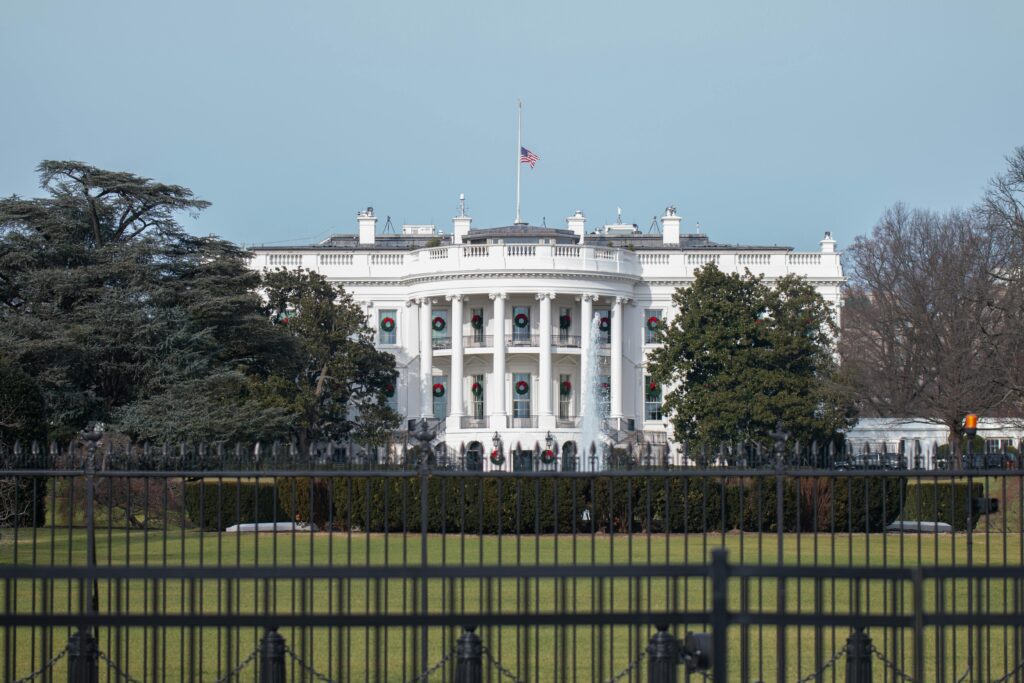
As a polar vortex threatens the Northeast and Midwest with cold temperatures, lawmakers
The Administration
It’s all about moving forward at the Department of Health and Human Services (HHS) these days. HHS announced its major AI strategy, “OneHHS” where all divisions will work together on a Department-wide AI infrastructure to boost internal operations, research, and public health. But that isn’t the only collab HHS is working on.
Turning heads, a new Center for Medicare and Medicaid Innovation model called ACCESS
Speaking of models, CMS teased a new Accountable Care Organization (ACO) model called LEAD to be released in December. The 10-year model will use an updated financial benchmarking approach, risk arrangements, and wellness incentives.
But, wait, where is the administration on APTCs?? The future is now.
The Senate
The Senate is expected to consider legislation to extend the enhanced APTCs this week, fulfilling Senate Majority Leader John Thune’s promise to Democrats in exchange for their votes to reopen the government. Senate Democrats are planning on bringing forward a three-year clean extension of the subsidies – legislation that mirrors the bill House Democrats have been trying to get enough signatures for to force a House floor vote.
There has also been talk about Senate Republicans bringing a bill forward that would redirect enhanced APTC funding to health savings accounts (HSAs), but only for marketplace enrollees with bronze or catastrophic plans, since they are now eligible for HSAs under the One Big Beautiful Bill Act. Then there is the latest float by Republican Senators
However, Leader Thune has not yet announced plans to move forward on this bill. Based on our conversation, both bills
It will also be important to watch what happens at the Senate Homeland Security and Governmental Affairs Investigations Subcommittee hearing entitled,
Meanwhile, Senators have made progress on another health care issue that has long garnered bipartisan support: pharmacy benefit manager (PBM) reform. Senate Finance Committee Chair Mike Crapo (R-ID) and Ranking Member Ron Wyden (D-OR) introduced legislation
Other Health Care Hearings
- December 11: Senate HELP hearing on the Future of the U.S. Organ Procurement and Transplantation Network
The House
If you were to just listen to House Republican and Democratic leadership, you’d think
But if negotiations are like a frozen pond, don’t expect to go swimming just yet. House Majority Leader Steve Scalise (R-LA) has said the Kiggans-Gottheimer framework is “not been a part of the package we’re discussing.” Additionally, both Speaker Mike Johnson (R-LA) and Leader Scalise have been hinting that their conference is close to unveiling its own health care reform legislation. This could be as soon as this week (if you ask Speaker Johnson), but certainly within the next few weeks, according to Leader Scalise.
There You Have It
Washington celebrated a couple of annual traditions with the lighting of the Capitol Christmas tree on December 2 and the lighting of the National Christmas tree on December 4. Are decorations up at your house? Let us know. Make it a great week!