Check out our expert take on key activity shaping health care policy
Insights

Featured Blogs
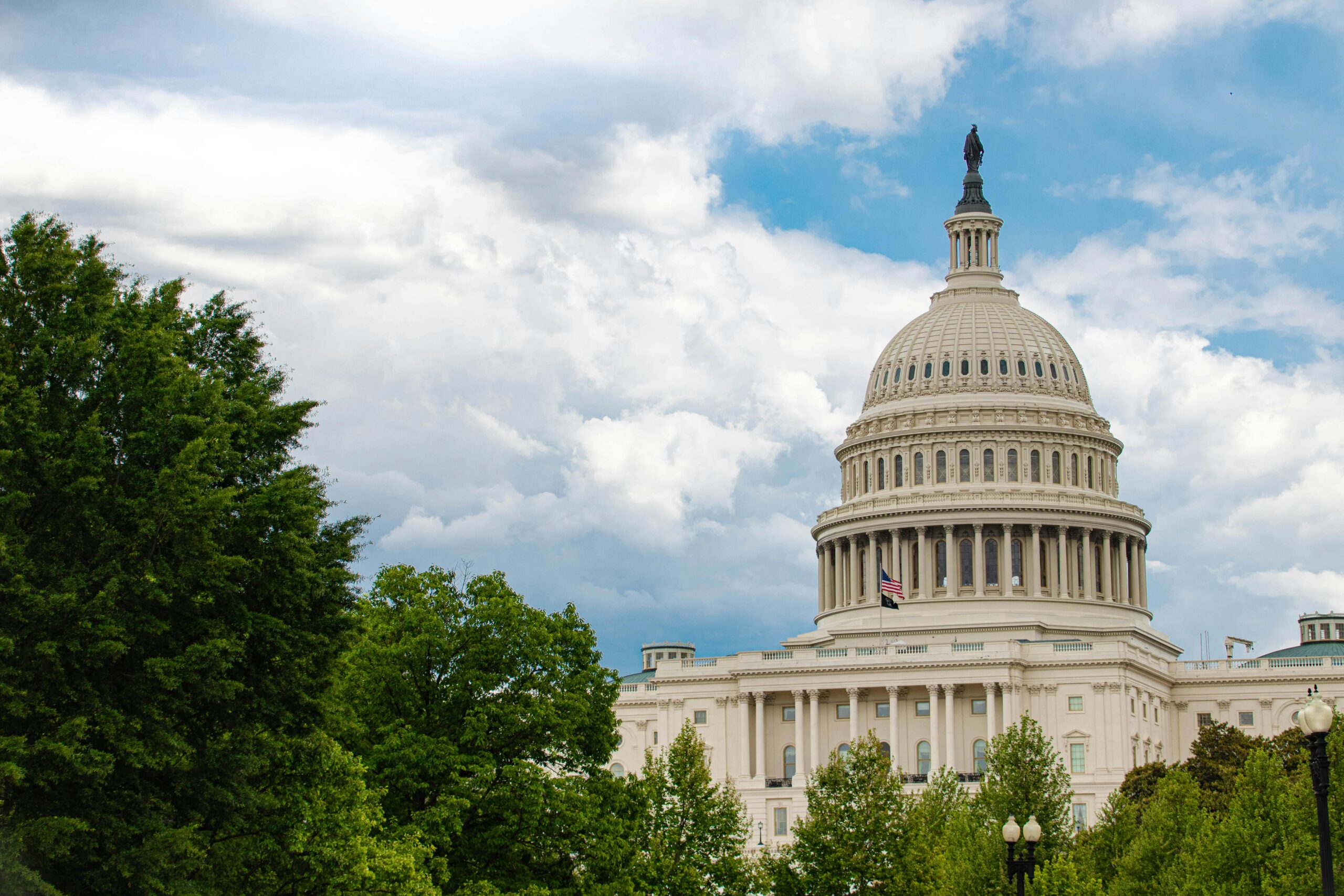
On May 20, 2026, the House Energy and Commerce Health Subcommittee held a hearing to examine Medicare payment reforms, focusing on the Medicare Access and CHIP Reauthorization Act (MACRA) and the Physician Fee Schedule (PFS). Members discussed ways to reform the PFS to provide more stability in payment updates, how primary care reimbursement is different from other specialties, how the PFS is driving provider consolidation, and more.
OPENING STATEMENTS
- Subcommittee Chairman Morgan Griffith (R-VA-9)
- Subcommittee Ranking Member Diana DeGette (D-CO-1)
- Full Committee Chairman Brett Guthrie (R-KY-2)
- Full Committee Ranking Member Frank Pallone (D-NJ-6)
WITNESS TESTIMONY
- William Fox, MD, MACP, Cahir Emeritus, American College of Physicians Board of Regents, Fox & Brantley Internal Medicine – Testimony
- Steven Furr, MD, FAAFP, Family Medicine Physician – Testimony
- Dana Smetherman, MD, MPH, MBA, FACR, Chief Executive Officer, American College of Radiology – Testimony
- Rick Snyder, MD, President, HeartPlace – Testimony
- Farzad Mostashari, MD, Chief Executive Officer and Co-Founder, Aledade – Testimony
MEMBER DISCUSSION
Physician Fee Schedule
There were broad, bipartisan concerns about the need to reform the Physician Fee Schedule (PFS). Health Subcommittee Chairman Morgan Griffith (R-VA-9) asked how current budget neutrality rules create competition between specialties. Dr. Smetherman shared that currently, if one specialty receives an increase, another specialty must receive a cut to compensate. Reps. Raul Ruiz (D-CA-25), Lizzie Fletcher (D-TX-7), Mariannette Miller-Meeks (R-IA-1), and Troy Balderson (R-OH-12) highlighted the need for a stable update schedule and suggested tying it to inflation. Mr. Fox agreed, stating that stable payments allow for long-term planning and practice expenses, such as rent, salaries, and equipment, which increase every year. Rep. Nick Langworthy (R-NY-23) was curious about the importance of payment policies keeping up with technological advancements. Dr. Snyder shared that it was extremely important, as technological advancements can often reduce costly procedures and improve the delivery of care.
Primary Care
Multiple Democrats focused on the importance of primary care, and some of the struggles that primary care providers are facing. Health Subcommittee Ranking Member Diana DeGette (D-CO-1) and Full Committee Ranking Member Frank Pallone (D-NJ-6) were curious about the importance of primary care providers and their role in chronic disease management. Dr. Furr highlighted the time providers spend coordinating care across specialties and providing chronic care management, and he argued that this reduces long-term spending. Rep. Robin Kelly (D-IL-2) asked why primary care should be reimbursed differently than other types of care. Dr. Fox shared that Medicare is not designed to pay for these services and instead relies on a fee-for-service model that is difficult to apply to primary care. Dr. Furr added that primary care is focused on preventive care. Reps. Marc Veasey (D-TX-33) and Troy Carter (D-LA-2) asked about how reimbursement policies influence what specialties medical students are choosing to practice. Dr. Fox shared that the number one driver of specialty choice was earning potential, and therefore, primary care is often not chosen. Dr. Furr highlighted the need to rethink how Medicare reimburses graduate medical education (GME) to encourage providers to train in rural areas.
Consolidation
There were concerns about the effects of Medicare reimbursement on health sector consolidation. Health Subcommittee Vice Chair Diana Harshbarger (R-TN-1) questioned if Medicare reimbursement was driving consolidation, to which Dr. Fox shared that the lower payment rates can cause independent providers to close or sell to hospitals if they do not have positive margins.
Reps. John Joyce (R-PA-7) and Kim Schrier (D-WA-8) asked about the effects of consolidation on patients. Dr. Fox shared that independent physician practices help to reduce costs for patients. Dr. Snyder highlighted that independent practices have more autonomous clinical decision-making, which can allow the physician and patient to agree on a treatment plan that is the most suitable for the patient.
Merit-based Incentive Payment System (MIPS)
There was bipartisan interest in MIPS and its effect on physician practices. Full Committee Chairman Brett Guthrie (R-KY-2), and Reps. Kat Cammack (R-FL-3) and Schrier wanted to understand the administrative burden of MIPS reporting and how to best reduce it. Dr. Furr shared that MIPS reporting is time-intensive, especially for smaller or rural practices. Dr. Furr suggested that one standardized measure would be very impactful. Dr. Smetherman highlighted that MIPS does not align with radiologists’ practice, making it very difficult to report metrics. He suggested that specialty-specific measures that measure the quality of care provided are important. Rep. Gus Bilirakis (R-FL-12) questioned how the PFS should be updated to better reflect practice expenses in reimbursement, especially for physicians in independent practices. Dr. Smetherman shared that for specialties that are very technology-intensive, addressing budget neutrality or updating the PFS will ensure that patients continue to receive the best treatment. Rep. John Joyce (R-PA-13) asked if tethering practice expense increases for independent practices to a percentage of hospital outpatient cost data for similar services could be beneficial. Dr. Snyder stated that it would significantly level the playing field.
Other Topics
- Rep. Troy Balderson (R-OH-12) was curious about leveraging health information technology to improve care. Dr. Mostashari shared that technology can be extremely helpful if the payment incentives align to encourage proper use.
- Rep. Lori Trahan (D-MA-3) highlighted the reimbursement rate discrepancies for care provided to males versus females for the same types of procedures.

As of March 2026, the Food and Drug Administration (FDA) has authorized over 1,400 AI-enabled devices for market use. To help achieve this, the FDA has worked to adapt a framework originally built for static devices into one capable of governing adaptive, learning software.
Having advanced framework for marketed AI devices, the FDA is now turning its attention to AI inside live clinical trials. In April 2026, the FDA announced the Real Time Clinical Trial (RTCT) initiative. RTCT will allow real-time clinical trial data to be transmitted directly from hospital sites to the FDA and will use AI to analyze predefined signals on safety, efficacy, dosing, and adverse events to give FDA reviewers earlier insight into how a trial is progressing. The agency has already successfully initiated proof-of-concept trials, announced the pilot program to begin in August, and submitted a Request for Information (RFI) regarding the program’s design and implementation. The FDA has explicitly stated that the pilot is designed only for early-phase (Phase 1 and 2) trials.
This blog explores what guidance FDA has created for AI-enabled devices, why that framework doesn’t extend to clinical trials, and what needs to happen before RTCT launches.
The Existing Framework: AI-Enabled Medical Devices
For decades, the FDA’s authorization of medical devices has followed the same process: a device is reviewed, authorized, and remains unchanged. Any significant modification required submission from the device manufacturer. This system works for static devices, but not for AI, which depends on its ability to change.
The FDA has taken steps to improve how the agency handles authorization of AI-enabled medical devices, publishing two significant frameworks in 2025. The agency published the Total Product Life Cycle (TPLC) draft guidance which requires manufacturers to document how AI tools are taught, how bias is assessed throughout the building process, and how the tool will be monitored on the market. The FDA also finalized its Predetermined Change Control Plan (PCCP), which allows manufacturers to define anticipated AI modifications and get pre-authorization for those specific changes.
TPLC and PCCP create a solid regulatory environment for AI in medical devices, which can be anticipated and pre-authorized. The FDA has created a clear pathway for manufacturers and a structured system to monitor the devices. The framework is not complete, TPLC remains a draft, but there is real progress. However, this work was designed on the assumption that a manufacturer can control and anticipate the changes its AI will make. RTCT breaks that assumption entirely.
The New Frontier: AI in Live Clinical Trials
Clinical trials occupy a fundamentally different regulatory space than devices. They are governed by the Center for Drug Evaluation and Research (CDER), have different statutory authorities, and have different stakeholders.
RTCT would change how FDA reviewers access and analyze trial information. Rather than waiting for submitted data packages, reviewers would receive predefined signals, analyzed by AI, as the trial is actively running. The FDA issued draft guidance in January 2025 on the use of AI to support regulatory decision-making for drugs and biologics. This is the closest analog to what RTCT would do, but it remains a draft more than a year later with no finalization timeline announced.
The frameworks built for devices do not apply here, as they were created for manufacturers who control their AI systems. RTCT involves AI operating on live trial data to analyze signals that no existing regulatory framework governs.
Concerns with RTCT
As the FDA develops the regulatory framework for AI in clinical trials, stakeholders have four critical questions regarding how RTCT will actually function.
Accountability: Who Is Responsible When AI Gets It Wrong?
Under RTCT, AI-analyzed signals will directly inform consequential reviewer decisions, including whether to stop a trial arm, change a dose, or accelerate enrollment. Yet no existing policy assigns responsibility when an AI-generated signal is flawed and a resulting decision causes patient harm. The answer to this question matters for determining who has oversight and the extent to which there is public trust in this initiative.
Bias: How will RTCT address concerns about bias?
RTCT will process live data continuously from a small number of academic medical centers, where data may not reflect national diversity. Bias can emerge dynamically in the data as it accumulates in ways a pre-trial assessment cannot detect. There is no existing policy that requires ongoing bias monitoring during a live trial, and there is no infrastructure to mandate or receive such reporting.
Auditability: Will there be an opportunity for stakeholders to challenge RTCT decisions?
There is currently no requirement that AI signal outputs be logged in a form that can be reviewed, explained, or challenged after the fact. Without a mandatory audit trail, stakeholders have no mechanism to challenge or reconstruct decisions that shaped a drug’s approval pathway. At the May 15 stakeholder session, FDA officials acknowledged that data cleaning, governance, and quality-control requirements for the signal stream have not yet been finalized.
Success Metrics: How will the FDA know if RTCT is working?
A fourth concern emerged directly from the May 15 stakeholder session as the FDA has not yet defined how it will measure whether RTCT actually improves decision-making. Launching a pilot without predefined performance criteria makes it difficult to evaluate whether the program should be expanded or stopped.
RTCT Comment Period
The April 28th RTCT announcement included a request for comments on how the initiative should be designed and evaluated. Comments received to date reflect the concerns above with stakeholders urging the FDA to:
- Require capture of underrepresented populations in AI training data
- Establish version-traceable lineage so that model changes can be audited
- Incorporate patient advocate oversight into RTCT governance structures
- Review site-level operation data to monitor for performance disparities across sites
- At the May 15 session, stakeholders also requested an extension to the comment period, but the FDA declined to commit to an extension.
What’s Next?
As the comments demonstrate, actually creating regulations for the RTCT is a difficult process. There is one additional variable that cuts across all of the above: FDA capacity. The agency has lost nearly 15% of its workforce since 2023 and is operating without a confirmed commissioner. Adding to the uncertainty, Jeremy Walsh, FDA’s first-ever chief AI officer and the official who led the May 15 session, has since resigned from the agency. The RTCT pilot is an ambitious project for an agency that is being asked to do more with considerably less, including the person who architected the program.
Congress has also taken notice but has not yet acted. The House Energy and Commerce Health Subcommittee held hearings in 2025 examining AI in health care and the Senate HELP Committee flagged FDA modernization as a priority. However, the hearings have not produced legislation, and the administration’s own National Policy Framework for AI, released in March 2026, is only a blueprint for Congress.
The most consequential near-term legislative vehicle would be one of the FDA user fee reauthorization bills. Congressional authorization for both the Medical Device User Fee Amendments (MDUFA) and the Prescription Drug User Fee Act (PDUFA) expires on September 30, 2027. These programs fund the FDA’s pre-market review operations and are widely considered “must-pass” legislation. Congress has historically used these reauthorization bills to enact broader FDA policy reforms, meaning these could codify AI regulatory authorities for medical devices and clinical trials. Negotiations between the FDA and industry are already underway, meaning stakeholder engagement in that process starts now.
Conclusion
The FDA’s progress on AI-enabled medical devices is real and has given the device industry a clearer regulatory path and agency oversight model. The clinical trial space is a different story. RTCT represents one of the most ambitious uses of AI in clinical research and if it works correctly, has the potential to vastly compress drug development timelines. But the risks are real. AI-analyzed signals will directly inform consequential regulatory decisions without finalized standards for accountability, bias monitoring, auditability, or success measurement. The official who built this program has resigned, and no successor has been named. The existing frameworks, TPLC and PCCP, were not designed for this case and the draft guidance closest to it remains unfinalized. Regulatory rules for AI in clinical trials are being written now. Stakeholders who engage in this process will help write those rules and those who wait will inherit them.
The RTCT public comment period closes May 29, 2026. Comments can be submitted here.

Senate Health, Education, Labor, and Pensions (HELP) Committee Chairman Bill Cassidy (R-LA) finished third in his primary, with Trump-endorsed Rep. Julia Letlow (R-LA-5) and state Treasurer John Flemming advancing to a run-off June 27. His loss is a big shakeup of federal health care policy given his leadership of HELP and position on Senate Finance. Meanwhile, the Food and Drug Administration (FDA) is facing a shakeup of its own. Let’s get into it. Welcome to the Week Ahead!
The Administration
The hunt is on for a new Food and Drug Administration (FDA) Commissioner after Marty Makary resigned from the role on May 12. In the meantime, Kyle Diamantas will be leading the agency. Health and Human Services (HHS) Chief Counselor Chris Klomp is leading the search, and there are already several names being floated. Biopharma stakeholders are advocating for Richard Pazdur, the founding director of the Oncology Center of Excellence within FDA, and a previous director of the Center for Drug Evaluation and Research. Some other names reportedly being considered include Stephen Hahn, a former FDA commissioner, and Brett Giroir, a former acting FDA commissioner and assistant secretary for health. President Trump may also look inside the ranks of the FDA for a replacement. This could include principal deputy commissioner Sara Brenner or deputy commissioner for policy, legislation and international affairs Grace Graham.
The vacancy is yet another hole in the federal government’s health leadership as the FDA joins the Centers for Disease Control and Prevention (CDC) and the Office of the Surgeon General as being without Senate-confirmed leadership.
The newly formed HHS Healthcare Advisory Committee will hold its first meeting on May 18. On the agenda are member introductions, discussion of committee bylaws, an overview of the working group scope, and a public comment period.
The Senate
Senate Finance Committee Ranking Member Ron Wyden (D-OR) is planning to launch an initiative focused on addressing challenges related to long-term care this week. This follows previous work focused on prescription drug costs and private insurance market reforms. We have been told that the initiative will follow the same process as the previous ones, listening sessions, the development of white papers, and public-facing requests for written comments on key policy questions.
While unsuccessful at his primary, Senate HELP Committee Chairman Bill Cassidy (R-LA) will preside over a May 21 hearing on the provision of gender transition procedures to minors. This follows the announcement of an investigation by Cassidy into providers that he has accused of offering pediatric gender transition procedures. Given the results of the May 16th Primary, this may be one of the last Committee investigations he leads. However, don’t expect him to fade quietly into the night. He still has influence as Chair of the Committee with responsibility for approving President Trump’s nominations for CDC director, FDA Commissioner, and Surgeon General.
Health Care Hearings This Week
- May 20: Senate Indian Affairs hearing on Bureau of Indian Affairs and IHS FY 27 budget request
- May 20: Senate VA Committee hearing on FY 27 and FY 28 VA appropriations
- May 20: Senate Aging Committee hearing on senior safety
The House
Reconciliation 3.0 rumors are still making their way around the Capitol Complex. Our conversations indicate that there is a push from some House Republicans to include a provision to decouple Health Savings Accounts (HSAs) from high-deductible plans, as well as measures to combat fraud, waste, and abuse within health care programs.
Speaking of fraud, we’ve been told that House Ways and Means Republicans are aiming for a markup of anti-fraud legislation this week. The working list reportedly includes measures to address hospital, home health, and durable medical equipment (DME) fraud. Committee Chairman Jason Smith (R-MO-8) has also expressed interested in examining hospital 990 forms.
But wait, there’s more: We’ve also picked up reports that House Republican leadership is planning a “fraud week” in June, during which they plan to consider anti-fraud legislation, which could include legislation to target fraud in health care programs.
In the meantime, the House Energy and Commerce Health Subcommittee will put the Medicare Access and CHIP Reauthorization Act and the Medicare Physician Fee Schedule in the spotlight during a hearing on May 20. Based on conversations we’ve had, it sounds like the goal of this hearing is to focus on how provider payment challenges impact health care affordability and understand where member interest is on this topic.
Other Health Care Hearings This Week
- May 20: House Education and Workforce HELP Subcommittee hearing on politics, unions, and antisemitism in health care
- May 20: House VA Committee legislative hearing, including Veteran health care bills
- May 21: House Natural Resources Indian and Insular Affairs Subcommittee legislative hearing to consider the IHS Emergency Claims Parity Act
There You Have It
A Triple Crown winner is off the table for this year as Golden Tempo, the winner of the Kentucky Derby, did not race in the Preakness Stakes on May 16. Will you still be tuning in to watch the Belmont Stakes? Let us know. Make it a great week!

Congress is back after a short recess, and President Trump’s ballroom remodel has been paused yet again, and some congressional Republicans are worried that the $1 billion budget request for security related to the ballroom could get them into some hot water in the lead up to November midterms. But what is the status of Reconciliation 2.0? Let’s get into it. Welcome to the Week Ahead!
The Administration
The spotlight has shifted to the Food and Drug Administration (FDA), and Commissioner Marty Makary, as concerns mount about agency effectiveness under his leadership. The FDA recently rejected a drug that would treat melanoma from Replimune, citing insufficient data on the drug’s effectiveness due to the reliance on a single-arm trial design. Commissioner Makary will need to defend FDA decisions as he appears before the Senate Appropriations Ag-FDA Subcommittee on May 13 to testify about the FY 2027 (FY 27) FDA budget proposal. But he may not get the chance if President Trump follows through on his reported plans to fire Commissioner Makary…
Meanwhile, the Centers for Medicare & Medicaid Services (CMS) is hard at work developing the interim final rule on state implementation of the Big, Beautiful Bill’s community engagement requirements ahead of the June 1st, deadline. Nebraska recently became the first state to begin enforcement, but stakeholders are concerned about the effects on eligibility and enrollment. The Medicaid and CHIP Payment and Access Commission (MACPAC) has similar concerns about the requirements nationwide and voted to include a recommendation for CMS to develop a transparent monitoring and evaluation plan that will be included in its June 2026 report to Congress.
The newly formed Healthcare Advisory Committee (HAC) will have their first meeting on May 18. The committee was formed to advise the Secretary of Health and Human Services (HHS) and the CMS Administrator on programs and policies that can improve the US health care system. According to a press release announcing the Committee, HHS leadership intends for the Committee to focus on improving preventive care, reducing administrative burden with the health care system, and strengthening the sustainability of public health programs. The meeting will include public introduction of Committee members, the Committee vision, and establishment of Committee bylaws. Comments are due by 5pm on May 13 and can be submitted to hac@cms.hhs.gov.
The Senate
We’re on primary watch, as Sen. Bill Cassidy (R-LA) and Rep. Julia Letlow (R-LA-5) compete for the Republican spot on the November ballot. Sen. Cassidy chairs the Senate Health, Education, Labor, and Pensions (HELP) Committee and sits on the Senate Finance Committee, so a potential loss for him would have big implications for Senate health care committees in the 120th Congress. Sen. Cassidy has pushed back against some of Health and Human Services Sec. Kennedy’s policies, most notably changes to the childhood vaccine schedule. He has also been called out by President Trump as a roadblock to the confirmation of President Trump’s nomination of Casey Means for US Surgeon General. On the other hand, Rep. Letlow has aligned herself closely with the make America healthy again (MAHA) movement, receiving endorsements from President Trump and the MAHA PAC.
If Sen. Cassidy loses the primary, he will still have another 7 months to exert his influence in the Senate. That might mean we see him become more outspoken about his disagreements on vaccines. Sen. Cassidy’s would also be able to exert influence over the confirmation process of Dr. Erica Swartz to lead the Centers for Disease Control and Prevention, Dr. Nicole Saphier to be Surgeon General, as well as a possible new nominee for FDA Commissioner.
Health Care Hearings This Week
- May 13: Senate Homeland Security Committee hearing on COVID-19 whistleblower testimony
The House
House Republicans are keeping their eyes on the prize: the promise of Reconciliation 3.0. House Republican leadership was able to keep the Reconciliation 2.0 package focused on immigration enforcement funding through assurances of a 3rd package for other priorities, such as health care. House Republican leadership is committed to getting Reconciliation 2.0 on the President’s desk before his June 1 deadline. Meantime, House conservatives are working hard to keep the conversation about 3.0 afloat.
The House is kicking off floor consideration of FFY 27 appropriations legislation this week with the Military Construction-Veterans Affairs appropriations bill. The House Rules Committee is scheduled to meet on the bill on May 12 and floor consideration is expected later in the week. The bill includes funding for the Veterans Health Administration.
New health care legislation may be on the horizon, as our conversations on the Hill indicate that the House Ways and Means Committee is planning for a markup of anti-fraud legislation, including items related to health care. We are also hearing that the House Energy and Commerce Health Subcommittee is looking to take action in response to the recent series of hearing about health care affordability.
Health Care Hearings This Week
- May 14: House Veterans’ Affairs Committee markup of several Veteran health care bills
There You Have It
Did you know that Mother’s Day can be traced back to movements by women reformers to improve national public health and hygiene and now honors the role of mothers? What Mother’s Day traditions do you have? Let us know. Make it a great week!