Insights^

Find our analysis on legislation, regulations, MedPAC meetings, and more. 

All About PACs

To run a campaign, candidates need money, and with the small exception of publicly financed campaigns, a sizeable portion of this money comes from political action committees (PACs).  By providing for a campaign’s war chest, PACs play a massive role in determining how candidates are elected, and in turn, which kinds of policies are enacted.

Overview

The Congress of Industrial Organizations (CIO) established the first PAC in 1943 after Congress prohibited unions from directly contributing to political candidates.  Corporations were initially barred from directly contributing to PACs under the Tillman Act of 1907, and the Smith-Connally Act extended this law to include unions in 1943.  Later, a series of campaign laws including the Federal Election Campaign Act (FECA) of 1971 allowed corporations and trade associations to form PACs.  The FECA also notably established the Federal Election Commission (FEC), which enforces PAC laws.

Businesses, organizations, and other entities form PACs as a way to pool resources together to support the candidates they like, and indirectly, oppose candidates they don’t like.  Overall, a PAC’s purpose is to raise money in support of a candidate, to get them elected, and to help defeat candidates they oppose.  Additionally, PACs aren’t limited to candidates for elected office – such as with state ballot measures.

Types of PACs

There are five types of PACs:

  1. Separate Segregated Funds (SSF).  These are political committees established by labor unions, corporations, membership organizations, or trade associations.  They can only solicit contributions from an individual connected with the sponsoring organization, such as an employee or an association member.
  2. Nonconnected committees. These entities are not established or sponsored by any particular organization, and unlike separate segregated funds, they can target the general public for solicitation.
  3. Super PACs.  Created in 2010 after the US Supreme Court rulings for Citizens United v. FEC and SpeechNOW v. FEC , super PACs cannot make contributions to candidates or parties.  However, these PACs do make independent expenditures in federal campaigns, such as running advertisements or sending mail that either supports or opposes a candidate.  Unlike other PACs, there are no limits or restrictions on the sources of funds that can be used for expenditures.  Super PACs are still bound by the rules of other PACs in that they must file regular reports with the FEC.
  4. Hybrid PACs.  Similar to super PACs, hybrid PACs can spend unlimited funds on activities outside a campaign.  What sets hybrid PACs apart, however, is their ability to contribute funds directly to a political party, campaign, or candidate, similar to SSFs and nonconnected committees.
  5. Leadership PACs.  These are committees established by candidates or individuals currently holding federal office.  Both Representatives and Senators can establish leadership PACs to support candidates within their political party.

PAC Rules

PACs must follow numerous rules set out by the FECA and the Bipartisan Campaign Reform Act of 2002.  For instance, a PAC has 10 days to register with the FEC after its formation.  The FEC also requires politicians and candidates who create a leadership PAC to be listed when submitting the required documentation.  Furthermore, current laws require PACs to meticulously keep records on how they spend their money, which includes salaries, advertisements, supplies, rent, day-to-day expenses, dinners, and more.

The following chart provides an overview of the limitations on how much different types of PACs can spend and receive.

SSFs Nonconnected PACs Leadership
PACs
Hybrid PACs Super PACs
Limits on
contributions
Can contribute no more than:

$5,000 to a
candidate or
candidate
committee for each election

$15,000 to a
political party per year, and

$5,000 to
another PAC
per year

Can contribute no more than:

$5,000 to a
candidate or
candidate
committee for each election

$15,000 to a
political party per year, and

$5,000 to
another PAC
per year

Can contribute no more than:

$5,000 to a
candidate or
candidate
committee for each election

$15,000 to a
political party per year, and

$5,000 to
another PAC
per year

Can contribute no more than:

$5,000 to a
candidate or
candidate
committee for each election,

$15,000 to a
political party per year, and

$5,000 to
another PAC
per year, but
can spend
unlimited
amounts of
money on
non-candidate or campaign-
related
political
activities

Cannot directly contribute to
candidate or
party but can
spend
unlimited
amounts of
money on
non-candidate or campaign-
related
political activities

Limits on
donations
from
individuals
Can accept up to $5,000 per
year
Can accept up to $5,000 per
year
Can accept up to $5,000 per
year
Can accept up to $5,000 per
year
No cap on
donations

PACs and Advocacy

By influencing elections, PACs indirectly play a pivotal role in lobbying and advocacy.  Different businesses, industries, and interests have PACs, and they work to get candidates elected who support those issues or host fundraisers for other candidates in the hopes of attracting them to their cause.  In turn, once those candidates are elected, advocates can target public officials who are more likely to be favorable to their cause.  Thus, by helping to get friendlier candidates elected to public office, PACs show they can play a massive role in moving organizations’ advocacy objectives forward.

sharon-mccutcheon-8lnbXtxFGZw-unsplash-1920x1280

When Are Kids Going to Get Vaccinated?

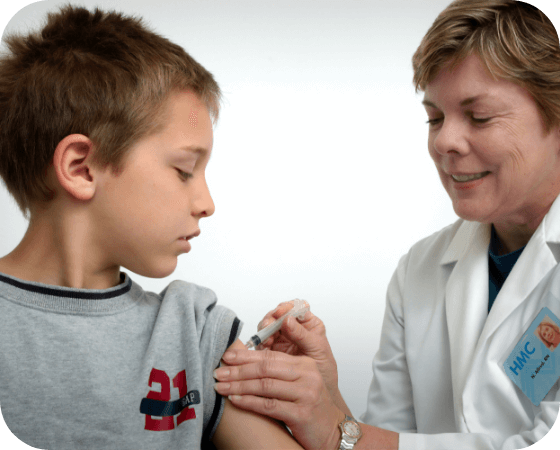
Parents are mad.  While grown-ups have been eligible for COVID-19 vaccines for almost a year, there currently aren’t any options for children under 12.  This is especially concerning for many parents as the kids return to school amid a nationwide surge in cases.

A Different Process

On September 20, Pfizer/BioNTech released data showing its mRNA vaccine is safe and effective in children aged 5-11.  As the Food and Drug Administration (FDA) has fully approved the vaccine for individuals aged 16 and older and Pfizer/BioNTech vaccine is still available to individuals aged 12 to 15 through emergency authorization, why is the approval process taking so long for children?

  • More data.  Earlier this year, FDA asked Pfizer/BioNTech and the other vaccine developers to provide six months of follow-up data for all clinical trial participants.  In comparison, the approval process for adults only required two months of follow-up data.
  • More scrutiny.  Unlike the emergency use authorization (EUA) for adults, FDA doesn’t just rely on a company’s summary of the clinical trial data for children’s vaccines.  The agency looks at individual reports from every child, including data on side effects and blood tests.
  • Biological differences.  Kids aren’t simply smaller adults.  Children have more active immune systems than grown-ups, which means scientists need to ensure they’re providing the right dosage.  Pfizer/BioNTech has specifically been testing children aged 5-11 with a two-dose regimen administered three weeks apart.  Each dose contains 10 micrograms, which is about a third of the dosage used for individuals aged 12 and up.

Pressure Grows for FDA to Speed Up Timeline

Earlier this year, it appeared that FDA would be able to approve vaccines for children aged 5-11 by early fall, just in time for the start of school.  However, signs that the approval timeline would extend first appeared in July when FDA asked Pfizer and Moderna to expand the size of their clinical trials for children to make sure they could detect potentially rare side effects, namely myocarditis, or heart inflammation.  These changes caused many health experts to revise their predictions on a timeline for approval for EUA, with some saying that the FDA would not make a decision until winter 2021 or early 2022.

The prospects of a longer timeline combined with a nationwide surge in cases sparked panic among many parents of younger children.  While COVID-19 poses a low risk for healthy kidsthere is a justifiable concern about immunocompromised children as well as the ability for kids to pass the virus onto vulnerable adults.  As a result, some parents are even looking for doctors to skirt the rules and vaccinate their children, while others are signing their kids up for clinical trials, even though it’s unknown whether their child will be receiving the vaccine or a placebo.

Pressure from Pediatricians: The American Academy of Pediatrics (AAP) urged the FDA in an August 5  letter to “continue working aggressively towards authorizing safe and effective COVID-19 vaccines for children under age 12 as soon as possible” due to the threat posed by the Delta variant.  Specifically, AAP indicated that a two-month follow-up period to collect safety data is sufficient, as opposed to the six-month period FDA initially requested.  AAP also noted that reported cases of myocarditis in children who are receive mRNA vaccines like Pfizer/BioNtech’s are “extremely rare.”

The FDA is listening and took the rare step of publicly responding to the concerns around approving a COVID-19 vaccine for children on September 10. .  In addition to vowing to adhere to strict safety standards, FDA stated clinical trials are required to have a “follow-up period for safety data of at least about two months,” indicating a change from the previously requested six-month follow-up period.

The Timeline, Revised

With the FDA apparently open to a shorter follow-up period for safety data, what does the approval timeline look like now?  At the the Morgan Stanley Global Healthcare Conference 2021 on September 14, Pfizer CEO Albert Bourla laid out a new estimated approval timeline for children aged 5-11.

  • Pfizer to have all safety and immunogenicity date in late September (topline results were released on September 20).
  • Pfizer to file for EUA in early October.
  • FDA to approve EUA within 3-6 weeks, meaning children aged 5-11 could get their shots as soon as late October or early November. 

Bourla also said Pfizer will likely have enough data on how well its vaccine works on children under 5 years of age as early as the end of October, putting that vaccine on the path for EUA by the FDA by the end of the year.

This is reassuring news for parents of kids aged 5-11, to potentially have a vaccine available by Halloween than, say, early 2022.  But let’s not get our hopes up as COVID-19 has proven itself to be an incredibly unpredictable virus, and changing conditions could cause scientists and regulators to shift their approval considerations once again.

child_vaccine

What Happened, What You Missed: September 13-17

Ahead of a September 17 meeting of the Vaccines and Related Biological Products Advisory Committee (VRBPAC), Food and Drug Administration (FDA) staff declined to take a position on whether to back third-dose “booster” shots of the Pfizer COVID-19 vaccine in a meeting briefing document.  While FDA staff acknowledged that some observational studies have pointed to declining efficacy of the Pfizer vaccine over time, much of the data presented in these studies has yet to be verified independently.  FDA staff also wrote that overall data indicates all currently authorized COVID-19 vaccines still offer protection against hospitalization and death.  Alongside the briefing document, FDA released data from Pfizer’s application for booster shots on September 15 that offers the company’s case for a third, immunity-restoring dose that VRBPAC will consider during its Friday meeting.  Separately, Moderna announced on Wednesday new data that points to benefits of a third “booster” dose of its vaccine.

House Dems’ Drug Pricing Plans on Thin Ice after E&C Markup

On September 15, three moderate House Democrats – Reps. Scott Peters (D-CA), Kathleen Rice (D-NY), and Kurt Schrader (D-OR) – blocked passage of a measure to allow the government to directly negotiate on drug prices during the third day of the Energy and Commerce (E&C) Committee markup.  Even though the drug pricing measure passed the Ways and Means Committee later that day, the push-back from the three moderate House Democrats signifies the challenges Speaker Nancy Pelosi (D-CA) faces in securing near-unanimous support among House Democrats to advance the $3.5 trillion “human” infrastructure plan. Reps. Peters, Rice, and Schrader believe the sweeping price negotiation plan would hurt drug innovation and has no chances of passing the Senate.  Instead, they are pushing for a more modest proposal that would subject price negotiations to a limited number of drugs, which progressive Democrats consider to be a non-starter.

CMS Proposes to Repeal Medicare Breakthrough Device Coverage Rule

On September 13, the Centers for Medicare and Medicaid Services (CMS) issued a proposed rule to repeal a Medicare breakthrough device coverage rule that was finalized in the waning days of the Trump administration in January 14, 2021.  Under the initially established pathway,  Medicare would cover a breakthrough medical device for four years beginning on the date of FDA authorization.  However, under the Biden Administration, CMS feels the rule needs to be withdrawn because FDA’s approval standards do not necessarily mean a product is safe for Medicare’s patient population.  The proposed rule is considered a win for the insurance industry, which felt the coverage pathway would result in “premature coverage of unproven devices for the Medicare population.”  And, if CMS finalizes the rule, it  would be bad news for medical device manufacturers, which saw Medicare coverage as payoff for taking the risk to develop breakthrough devices.

Pompeo, Christie Named Co-Chairs of Republican Redistricting Group

Former Secretary of State Mike Pompeo and former New Jersey Governor Chris Christie were named national co-chairs of the National Republican Redistricting Trust (NRRT), an organization aimed at providing resources to support Republicans in the post-2020 census redistricting process.  NRRT was launched in 2017 as a counterweight to the National Democratic Redistricting Committee, which is being led by former Attorney General Eric Holder during the Obama administration.  The announcement comes as both parties prepare for a redistricting process that is likely to face numerous legal challenges.  As discussed in an August 10 blog post, Democrats’ razor-thin majority in the House means redistricting could have an outsize effect on which party controls the lower chamber after the 2022 midterm elections.

ICYMI: Congressman Gets Mistaken for an Intern

Overheard DC, a Twitter account that shares interesting exchanges heard around the nation’s capital, posted an exchange  on Tuesday of a congressional intern asking an individual at the Subway in the Rayburn House Office Building who he worked for.  The individual replied, “I’m a member,” meaning he’s a member of Congress. The member in question turned out to be Rep. Gregory Meeks (D-NY), who currently chairs the House Foreign Affairs Committee.  Meeks later commented “glad I still blend in with the cool kids” when resharing the Overheard DC tweet.  The tweet also saw engagement from Rep. Abigail Spanberger (D-VA), who said she had previously experienced a similar case of mistaken identity.

cdc-90ejoVTj2-M-unsplash-1920x1281

What’s Going on with the Provider Relief Fund?

The Provider Relief Fund (PRF) was essential for keeping countless health care providers afloat as the health care sector struggled with the COVID-19 pandemic throughout 2020. This is why Congress appropriated $178 billion in the CARES Act for the fund.  Nearly a year and a half after its creation, let’s take a deep dive look at the PRF to see what providers are saying about the program and where the program is today.

The Unsmooth Transition of the PRF

$178 billion in appropriations to the PRF has not equated to $178 billion in relief for hospitals and the distribution process for PRF money has been “uneven” and the plans of distributing the funds have been “opaque.” This unsmooth transition has not only caught the eyes of providers, but also Congress, who has urged HHS to respond to these challenges over the last couple of months.

HHS Responds

Fortunately, recent actions by HHS indicate the department is listening to health care providers.  On September 10, HHS announced it will make available $25.5 billion to affected providers, who can begin applying for the funds in September 29.  Payments will be distributed based on pandemic-related revenue losses between July 1, 2020, and March 31, 2021.

About $8.5 billion will be set aside for rural Medicare, Medicaid, and Children’s Health Insurance Program (CHIP) providers operating in regions disproportionately affected by the pandemic, with the remaining $17 billion going to smaller providers who can demonstrate lost revenue and increased expenses due to the pandemic.  HHS has also announced it will offer bonus payments to Medicare, Medicaid, and CHIP providers.

To recognize the challenge providers are facing due to the Delta variant and recent natural disasters, HHS also announced it will offer providers a 60-day grace period on reporting requirements for relief fund recipients.  During this 60-day period, HHS will not carry out any enforcement or collection activities.  However, deadlines on PRF grants and the reporting period that HHS extended on June 11, 2021remain unchanged.

The disbursement of remaining PRF dollars and new flexibility on reporting aren’t the only changes HHS has made recently.  On August 31, HHS announced via the Federal Register the reorganization of the Health Resources and Services Administration Office of Provider Support into the Provider Relief Bureau.  These changes suggest HHS understands the importance of ensuring funds from the PRF are getting to health care providers.

However, even after these recent responses, HHS has yet to lay out a timetable for the disbursement of the remaining PRF dollars, as many hospitals are still grappling with a nationwide surge in COVID-19 cases.  The PRF has been clearly valuable for hospitals by allowing them to survive since the beginning of the pandemic and so, HHS needs to continue to follow through with specific actions that provides meaningful relief.

solen-feyissa-jGmBZypoFPc-unsplash-1920x1280

How a New HHS Office Wants to Tackle Climate Change…and Public Health

The Biden administration means business on climate change.  As its latest climate-friendly move, the administration formed the Office of Climate Change and Health Equity (OCCHE) on August 30.  What does this new office mean in the fight against rising global temperatures?

About OCCHE

The mission of OCCHE is to advocate for environmental justice and equitable health outcomes and use the regulatory and statutory powers of HHS to fight climate change.  OCCHE will:

  • Address health disparities made worse by climate change.
  • Identify communities vulnerable to climate change.
  • Promote training opportunities to build the climate and health workforce.
  • Advance research on the public health benefits of addressing climate change.

Go deeper:  Biden laid out his vision in a January 27 Executive Order on Tackling the Climate Crisis at Home and Abroad.

Why it matters:  The health care industry accounts for 8.5% of the country’s carbon emissions. Climate change disproportionately impacts on vulnerable populations, making sick patients ever sicker.  Thus, health care stakeholders should take seriously OCCHE’s intention to collaborate with business and industry groups for environmental justice and health equity outcomes.  HHS Secretary Xavier Becerra predicted OCCHE “will become a permanent fixture within HHS.”

The Most Important Public Health Issue of Our Time

OCCHE’s Interim Director Dr. John Balbus, formerly of the National Institute for Environmental Health Science referred to climate change as the “most important public health [issue] of our time.”  Yet, the administration’s Fiscal Year 2022 budget request for HHS only allocates $6 million for OCCHE.  Additionally, Mataka said the office could issue new regulations or guidance, although OCCHE is unlikely to engage in regulatory action until it develops more knowledge about the relationship between climate change and wellness.

The Climate Change/Public Health Connection

The underlying causes of climate change – transportation, food, socioeconomic systems – are virtually the same as the underlying causes of health disparities.  Climate change has also shown to be more impactful on disadvantaged communities, including low-income individuals, the elderly, and people with chronic illnesses.  While the Biden administration is trying to address climate change on a large scale, they are sending a clear message by establishing OCHHE that the federal government has a specific role in protecting the health of vulnerable populations due to climate change.  In turn, the administration is expecting health care providers to step up and examine their own role in contributing to climate change.  Further actions that OCCHE and other public health organizations may take on include gathering data on climate-related health behaviors, analyzing the health impact of climate-related policies, and studying the health benefits of reduced carbon emissions.

pexels-akil-mazumder-1072824-1920x1280

Subscribe to Us Now!

Be a DC insider by getting our updates straight to your inbox