Insights^

Find our analysis on legislation, regulations, MedPAC meetings, and more. 

What Happened, What You Missed: May 30-June 3

White House: Kids under 5 Could Get Vaccinated as Soon as June 21

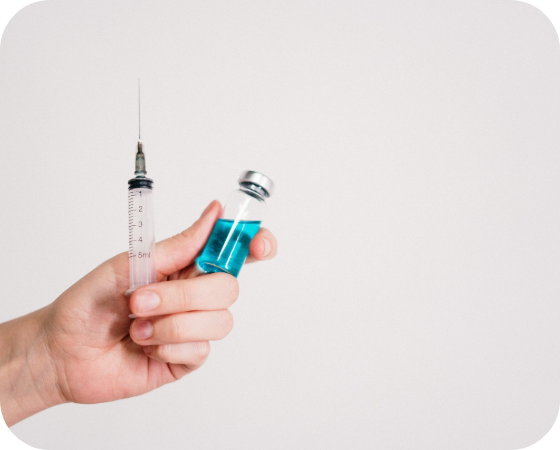
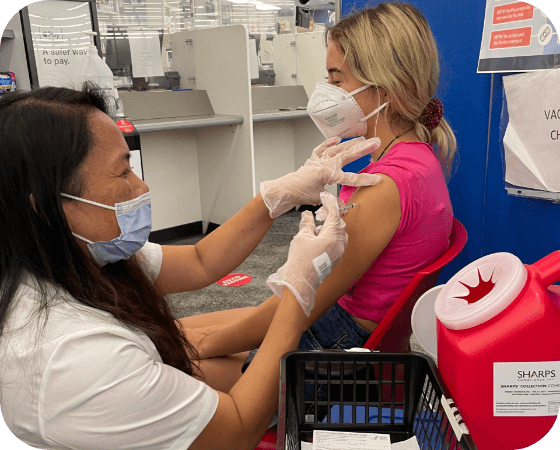
COVID-19 vaccinations for children under age five could start as soon as June 21, said White House COVID-19 Response Coordinator Ashish Jha on Thursday.  The Food and Drug Administration (FDA) is likely to approve Moderna and Pfizer’s vaccines for young kids after the agency’s vaccine advisory committee meeting on June 15, with the Centers for Disease Control and Prevention (CDC) issuing its recommendation shortly thereafter.  Jha said the administration will initially make 10 million doses of Pfizer and Moderna vaccines available to the states, and while the vaccination program is expected to take some time to ramp up, Jha expects that every parent should be able to schedule an appointment within weeks of approval.  According to an April 2022 poll from the Kaiser Family Foundation (KFF), 18% of parents say they will get their children under five vaccinated as soon vaccines become available, while 38% said they would “wait and see” before deciding.

CMS to Lower Part B Premiums in 2023

The Centers for Medicare and Medicaid Services (CMS) announced last Friday that seniors can expect lower Medicare Part B premiums for 2023.  The announcement follows a recent review of Part B premiums that determined CMS had overestimated the cost of Aduhelm, an expensive Alzheimer’s drug, in calculating its 2022 premiums.  In November 2021, CMS announced a 14% increase in Part B premiums – one of the highest ever increases – from $148.50 a month to $170.10.  However, Biogen made the surprise decision to lower its list price for Aduhelm in December 2021, setting the stage for CMS to subsequently review how the agency was pricing the Alzheimer’s drug.  CMS ultimately determined to lower Part B premiums in 2023 because it would have been too difficult to lower premiums or reimburse seniors mid-year.

Senate HELP Committee to Mark Up FDA User Fee Bill on July 8

The Senate Health, Education, Labor, and Pensions (HELP) Committee scheduled a markup for its bipartisan FDA user fee bill on June 8.   Initially released on May 27, the HELP Committee’s user fee bill includes several provisions that would improve the FDA’s oversight of cosmetics and dietary supplements, enhance regulation of laboratory-developed tests (LDTs), and reform the agency’s accelerated approval pathway.  The House Energy and Commerce Committee advanced its own FDA user fee reauthorization measure on May 18.  While the House bill has many commonalities with the Senate bill like changes to the accelerated approval pathway, it lacks the Senate bill’s provisions on LDTs and cosmetics and dietary supplements.

Medicare Trustees Report Shows Slightly Improved Outlook

According to the Social Security and Medicare Board of Trustees report released on Thursday, the Hospital Insurance (HI) Trust Fund for inpatient care will be unable to pay full benefits starting in 2028, two years later than reported last year.  However, the trustees warned that the HI Trust Fund still faces long-term financing shortfalls, thus necessitating “significant changes” to Medicare financing.  The trustees also concluded that the COVID-19 pandemic will not have any long-term effect on Medicare spending.  If the HI Trust Fund does become insolvent, the report projects that the program would be able to pay 90% of expected costs in 2028.

ICYMI: DC Gets Ready to Celebrate the Queen’s Platinum Jubilee

This month, Queen Elizabeth II is celebrating her platinum jubilee, which marks her 70th year on the throne as head of state of the United Kingdom.  Over the next few days, people in the Washington, DC area will have opportunities to join the British people in celebrating Her Majesty’s historic milestone.  Aside from an invite-only party hosted by the British embassy, the Fairmont in Georgetown will host a jubilee celebration on June 8, and the British Officers Club of Washington, DC will host a garden party with food and games at Lloyd House in Alexandria on June 18.  Meanwhile, numerous British pubs and restaurants like The Queen Vic and Brixton DC will host their own events throughout the upcoming weekend.
suzy-brooks-BabpEbkAy818-unsplash-1920x1440

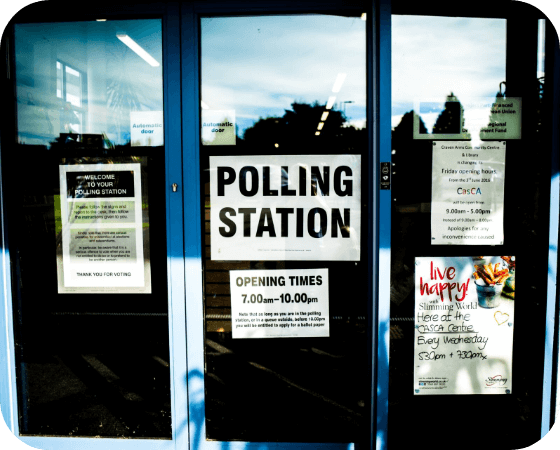
Health Care: Is It Top of Mind for Voters in the Midterms?

Inflation.  Baby formula.  Gun control.  Countless important issues are at the top of voters’ minds as the midterm election approaches.  However, unlike previous election years, many voters aren’t saying health care is the most important issue to them.  How does health care stack up against a plethora of other important issues this year, and what could change in the coming months to bring health care to the forefront of the national conversation?

What the Polls Tell Us

According to a Kaiser Family Foundation (KFF) poll conducted in March 2022, health doesn’t appear to be a leading issue among voters.  When asked to name what they think will be the most important factor when voting for the 2022 midterm election, 37% of voters cited the economy, inflation, and rising prices.  Other issues mentioned by voters include climate change (4%), crime (3%), the Russian invasion into Ukraine (3%), and the COVID-19 pandemic (2%).

With inflation having reached a 30-year high of 8.5% in April 2022, it shouldn’t be surprising that voters are naming economic-related issues as their top concern.  However, what’s unusual about the 2022 polling is that compared to previous election years, health care isn’t even close to being a top issue for voters.

In October 2020, for example, 12% of voters told KFF that health care is their top issue, making it the fourth most-cited issue.  Meanwhile, the economy was a top issue for 29% of voters, while the COVID-19 pandemic and public safety each respectively garnered 18% and 13%.

Health care was even more important to voters in 2018, a midterm election year that saw Democrats regain control of the House after flipping 41 seats.   That year, 26% of respondents told KFF that health care was their top issue, placing it third on the list of topics important to voters.  Corruption in Washington came in first place with 32%, while the economy and jobs came in second with 27%.

Even though voters might not cite health care as a top concern now, several factors could change in the coming months that could make health care top of mind for voters come November.

  • Expiration of enhanced ACA premium tax credits.  The American Rescue Plan Act of 2021 increased Premium Tax Credits (PTCs) for Marketplace insurance coverage and extended eligibility for PTCs to more individuals, making health insurance more affordable for millions in America. However, those ACA premium subsidies expire at the end of the year, and if Congress fails to renew them, 13 million Americans will start 2023 with higher insurance premiums that they may not be able to afford.  Importantly, those impacted would start receiving notices about their premium increases in October, just a month before they’re set to vote in the midterm election.  Furthermore, higher insurance premiums would make consumers less likely to receive care, potentially resulting in a combined $5.1 billion decline in spending on hospitals and physician practice services.   Democratic lawmakers that face difficult midterm races are already sounding the alarm, it remains unclear if the Senate can pass any type of legislation before the election that includes a renewal of the ACA premium subsidies.
  • Higher Medicare Part B premiums.  The Medicare Part B base premium increased by 14.5% from $148.50 a month to $170.0 a month in 2022.  On top of this, the annual deductible for all Part B beneficiaries increased from $203 in 2021 to $233 in 2022.  When the Biden administration finalized Part B premiums and deductibles in November 2021, inflation for the upcoming year wasn’t anticipated to be much different from the usual level of 2%.  However, with inflation currently hovering above 8%, higher Part B premiums are especially difficult for seniors to absorb, and continued higher-than-average inflation over the coming months could make health care costs a more important issue for seniors.
  • End of public health emergency (PHE).  The administration has repeatedly pledged to provide 60 days’ notice before letting the PHE expire.  The end date for the current PHE is July 16, 2022, and since the administration declined to say in mid-May that it will let the PHE expire, it is all but certain that come mid-summer, the PHE will be extended through October 2022 – less than a month before the midterm election on November 8.  The end of the PHE would immediately trigger a 151-day period for temporary Medicare telehealth waivers to unwind and a 365-period for states to initiate redetermination of Medicaid eligibility for all Medicaid enrollees.  While the end of telehealth waivers and loss of Medicaid coverage for certain individuals wouldn’t occur until long after Election Day, starting the countdown less than a month before voters cast their ballots could cause some voters to consider health care as an important issue.   However, due to the potential political implications of ending the PHE in October, it seems safe to assume that the administration will ensure the PHE remains in place until after the midterm election.

Inflation, foreign conflicts, and public safety are likely to continue to dominate voters’ thinking as the 2022 campaign season continues.  However, a loss of ACA premiums subsidies, pressure from high Part B premiums, and the end of the PHE all have the potential to change the calculus for some voters as they decide who to cast their ballots for on November 8.

elliott-stallion-1UY8UuUkids-unsplash-1920x1282

What Happened, What You Missed: May 23-27

Pfizer’s COVID-19 Vaccine Is 80% Effective in Kids under 5

This week, Pfizer finished submitting clinical trial data to the Food and Drug Administration (FDA) to seek emergency approval of its three-dose COVID-19 vaccine for children ages six months to five years.  On Monday, the company announced that its vaccine is 80.3% effective in preventing against symptomatic COVID-19 in young children.  The FDA is expected to complete its review of both Pfizer and Moderna’s emergency use authorization (EUA) applications within days of each other, and an advisory committee is scheduled to meet on June 15 to review data on both companies’ vaccines.  If the independent committee recommends one or both vaccines, young kids could get their first shots as soon as late June.

Senators Release Bipartisan Telehealth Proposal Aimed at Improving Mental Health

On Thursday, a bipartisan group of Senate Finance Committee members released a discussion draft on telehealth politics intended to improve mental health care.  The discussion draft includes policies that would direct Medicare and Medicaid to promote and support provider use of telehealth, remove Medicare’s in-person visit requirement for mental health services, and preserve access to audio-only mental health coverage in Medicare under certain circumstances.  The Senate Finance Committee is among four congressional committees that have so far committed to advancing legislation to improve mental health care.  Lawmakers behind the mental health legislation were initially hoping to combine their respective measures into a package that can be enacted this summer, but staffers and lobbyists say unfinished work on Fiscal Year (FY) 2023 appropriations and a busy campaign season means a comprehensive mental health package probably won’t be signed into law until the end of the year.

Becerra Taps Adam Russell as Acting Deputy Director of ARPA-H

Health and Human Services (HHS) Secretary Xavier Becerra on Wednesday appointed Adam H. Russell, DPhil, to be acting deputy director of the Advanced Research Project Agency for Health (ARPA-H).  Set to start his new role in June, Russell will be tasked with building out the administrative structure of the new agency and hiring initial staff until President Joe Biden appoints an ARPA-H Director.  Currently the chief scientist at the University of Maryland’s Applied Research Laboratory for Intelligence and Security, Russell gained experience managing research projects at both the Intelligence Advanced Research Projects Activity (IARPA) and the Defense Advanced Research Projects Agency (DARPA) – two agencies focused on breakthrough technologies that served as an inspiration for creating ARPA-H.

Of note, Becerra also formally established ARPA-H on Wednesday as a separate agency within the National Institutes of Health (NIH).  Many lawmakers have disputed the administration’s decision to place ARPA-H within NIH because they say it will prevent the new agency from fostering an independent culture that’s necessary for innovation.  Last week, a House committee advanced an authorization bill that would establish ARPA-H as an independent agency within HHS.

Lawmakers Take Another Swing at Gun Control Reform

In the wake of the mass shooting at a Texas elementary school, members of Congress are making another attempt at reaching a deal on gun control legislation.  Instead of starting out with a House-passed background check bill that faces no chance of being considered in the Senate, bicameral, bipartisan leaders are starting fresh.  Senate Majority Leader Chuck Schumer (D-NY) and Majority Leader Dick Durbin (D-IL) are tapping Sens. Chris Murphy (D-CT) and Kyrsten Sinema (D-AZ) to reach out to Republicans, while Senate Republican Leader Mitch McConnell (R-KY) has asked Sen. John Cornyn (R-TX) to have conversations with Democrats.  However, it remains unlikely that both parties will make a breakthrough on gun legislation in the 50-50 Senate, especially in the months leading up to a contentious midterm election.

ICYMI: New Graphic Novel Tells Story of Former Congressman

This month marks the release of Smahtguy, a graphic novel that details the life of former Rep. Barney Frank (D-MA).  The graphic novel’s author is a Disney cartoonist-turned-staffer who chronicled his time working for Frank in a sketchbook for nearly two decades.  Among the first members of Congress to publicly identify as gay, Frank was a leading progressive who was best known for leading the Dodd-Frank financial reform package in the wake of the 2008 financial crisis.

pexels-cottonbro-3952241-scaled

What Will the FY 2023 Appropriations Cycle Look Like?

House and Senate appropriators are poised to introduce their Fiscal Year (FY) 2023 spending bills, kicking off weeks and months of negotiations and hearings.   The FY 2023 appropriations cycle notably follows a lengthy FY 2022 cycle that wasn’t resolved until March 2022.  As lawmakers grapple with the midterm elections, retirements, and economic concerns in the coming months, how likely will the new appropriations cycle spill over into the next calendar year?

What We Currently Know

So far, top congressional appropriators are saying they want FY 2023 appropriations to wrap up in the current calendar year.  In a March 31 hearingHouse Appropriations Committee Chairwoman Rosa DeLauro (D-CT) expressed a desire to pass all appropriations bills “on time” so they can be signed into law by September 30, 2022.  But her Republican counterpart, Ranking Member Tom Cole (R-OK), had a more sobering take, saying Congress is unlikely to finish its work on FY 2023 appropriations until the end of the current calendar year.

There are only a handful of other indications as to how the FY 2023 appropriations cycle will pan out.  On April 28, Democratic and Republican leaders of the House and Senate Appropriations committees met to discuss topline spending levels for FY 2023.  While it remains to be seen what came out of the meeting, the dollar figures each side offers will indicate how contentious appropriations negotiations might shape out to be this summer.  For instance, the administration proposed a $1.6 trillion budget for FY 2023, with funding allocations roughly equally divided between defense and non-defense spending.  If Democrats start their negotiations with the president’s budget request, their push is likely to fall flat, as Republicans and some centrist Democrats have been eager for more defense spending.

There aren’t many more details about timelines, either.  In the Housethe Appropriations subcommittees are reportedly expected to markup their 12 spending bills between June 13 and June 22, with the full committee to follow its markups from June 22 through June 30.  However, all dates are currently tentative, and the committee won’t confirm official dates until a final notice is sent out.

The Senate Appropriations Committee has yet to announce its own tentative timeline, although Senate appropriations hearings always follow appropriations hearings in the House.  This means subcommittee and full committee markups in the Senate will probably be scheduled throughout July and August.

Which Factors Will Impact FY 2023 Appropriations?

Unfortunately for lawmakers, they’re heading into a new appropriations cycle with many distractions and extenuating circumstances that don’t often come together all at once.  Here are some key factors that will determine whether lawmakers will wrap up the new appropriations cycle before 2022 ends

The Midterm Elections

A “wave” election that could likely see control of the House shift from one party to another is typically a strong indicator of a long appropriations season.  Due to both historical trends and President Joe Biden’s low approval ratings, Republicans are generally favored to regain a majority in the House in the 2022 midterm election this November.  The closest comparison to the 2022 election so far is 2010, when low approval ratings over the Obama administration’s handling of the economy helped flip 63 House seats to the GOP, causing the Democrats to lose control of the chamber.  As a result, Congress didn’t finalize FY 2011 spending bills until March 2011.  2018 saw another wave election, with then-President Donald Trump’s unpopularity supercharging Democratic turnout to help the party flip 41 seats, allowing Democrats to retake the House.  If 2010 and 2018 are any indication, a long FY 2023 appropriations season is likely to coincide with the 2022 midterm elections.

Retirements of Top Appropriators

Some of the current lawmakers who won’t be on the ballot for the 2022 midterm elections include Senate Appropriations Committee Chairman Patrick Leahy (D-VT) and Ranking Member Richard Shelby (R-AL), who will both be retiring at the end of the 117th Congress.  Their pending retirements might incentivize both to reach deals on spending bills sooner rather than later.   Additionally, Sen. Susan Collins (R-ME), who is widely favored to replace Shelby as the Appropriation Committee’s top Republican, has indicated she’d prefer finishing FY 2023 appropriations in 2022 to ensure she can start the new Congress “with a clean slate.”

Inflation

Inflation is at a 40-year high, which could spur lawmakers to reach a final agreement on FY 2023 sooner instead of relying on a series of continuing resolutions (CRs) into next year.  When inflation is at a more typical level like 2% per year, federal agencies can generally make do under a CR and find money in their budgets to ensure there are no interruptions in services or operations.  However, if inflation persists near its current level of 8.5% through September, agencies will have a difficult time operating under a CR as they struggle to accommodate rising prices with budgets frozen at FY 2022 levels.

With a mix of incentives for and against reaching a budget deal, it’s hard to say when a final FY 2023 spending agreement will be signed into law.  However, election season is busy enough for lawmakers, and with a historic and contention midterm election season almost in full swing, there’s little likelihood Congress will reach an agreement on appropriations before Election Day on November 8.

heidi-kaden-L_U4jhwZ6hY-unsplash1

What Happened, What You Missed: May 16-20

FDA Authorizes Pfizer COVID-19 Booster Shots for Kids Ages 5-11

On Tuesday, the Food and Drug Administration (FDA) issued an emergency use authorization (EUA) for a third “booster” dose of Pfizer’s COVID-19 vaccine for children ages 5 to 11 at least five months after their most recent shot.  The FDA decided to authorize a third dose because data increasingly shows that a booster can improve protection for children in this age group and that the benefits of a booster outweigh the risks.  While COVID-19 tends to be less severe in children than adults, a top FDA official noted in a press release that the Omicron variant has caused more kids to be infected and subsequently hospitalized, justifying the need for additional protection.  Two days later, a Centers for Disease Control and Prevention (CDC) advisory panel voted to recommend a third dose of Pfizer’s vaccine to children ages 5 to 11.

House Committee Advances Legislation on FDA User Fees, ARPH-A

The House Energy and Commerce Committee advanced legislation to reauthorize the FDA medical product user fee programs Wednesday alongside five other health care bills.  The current statutory authority for the FDA to collect user fees expires on September 30, 2022, and it remains unknown as to when the full House will vote on the user fee bill.  Of note, a Senate panel on Wednesday unveiled its own legislation to reauthorize FDA user fee collection.  Among the other bills the House committee advanced on Wednesday was legislation to authorize the Advanced Research Projects Agency for Health (ARPA-H).  Notably, this legislation goes against the Biden administration’s wishes of making ARPA-H a part of the National Institutes of Health (NIH), instead making it an independent agency within the Department of Health and Human Services (HHS).

Administration Offers Third Round of Free COVID-19 Tests

The White House announced on Tuesday that households can now order a third round of free at-home rapid COVID-19 tests at COVIDTests.gov.  Unlike the first two rounds that limited households to four test per order, the third round will provide eight tests per household.  To date, the administration has delivered 350 million tests to more than 70 million households across the nation.  The administration’s announcement comes as the nation sees a rise in case numbers driven by the BA.2.12.1 subvariant.

Administration Poised to Renew Public Health Emergency in July

The current COVID-19 public health emergency (PHE) is set to expire on July 16, 2022.  In recent weeks, HHS Secretary Xavier Becerra reiterated the administration’s commitment on multiple occasions to provide 60 days’ notice before letting the PHE expire.  However, the 60-day mark came and went earlier this week, meaning the administration is all but certain to renew the PHE come mid-July.  Numerous waivers are tied to the end of the PHE, including telehealth flexibilities under Medicare as well as a prohibition against states disenrolling people from Medicaid.

ICYMI: Lawmakers Hold First Hearing on UFOs in 50 Years

On Tuesday, top Pentagon officials testified before a House Intelligence Subcommittee on unidentified aerial phenomena (UAPs) – the military’s parlance for unidentified flying objects (UFOs) – marking the first public hearing on the subject in over a half-century.  During the hearing, top Defense Department officials promised to bring transparency to an ongoing investigation of reports of UAPs by military pilots and other personnel at the urging of lawmakers who were disappointed by the secrecy and confusion that have consistently plagued the investigation into UAPs thus far.  The Pentagon officials also testified under oath that the government had not collected materials from any extraterrestrial landings on Earth.

alex-mecl-2N5sGWa7Uk4-unsplash-1-scaled

Subscribe to Us Now!

Be a DC insider by getting our updates straight to your inbox